
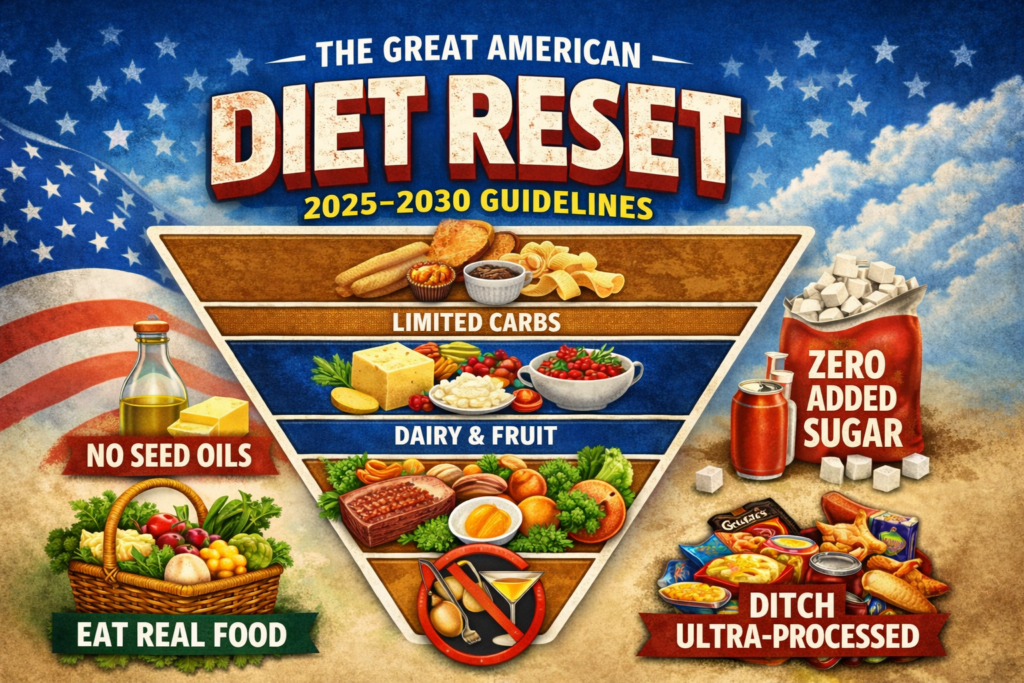
The Great American Diet Reset: Everything You Need to Know About the 2025–2030 Guidelines
On January 7, 2026, the U.S. government officially released the 2025–2030 Dietary Guidelines for America, and these guidelines mark one of the most dramatic shifts in federal nutrition policy in decades.
Under the banner of the “Make America Healthy Again” (MAHA) initiative, the new rules challenge long-standing beliefs about fat, carbohydrates, sugar, and processed food. The era of low-fat labels, grain-heavy meals, and “heart-healthy” industrial oils appears to be coming to an end.
Instead, the message is surprisingly simple: eat real food, prioritize protein, and avoid anything made in a factory.
Let’s break down what this reset actually means for your plate, your grocery cart, and your long-term health.
 The New Visual: Goodbye MyPlate, Hello the Inverted Food Pyramid
 The New Visual: Goodbye MyPlate, Hello the Inverted Food Pyramid
For years, Americans were taught to follow the MyPlate model — a colorful plate divided into grains, fruits, vegetables, protein, and dairy.
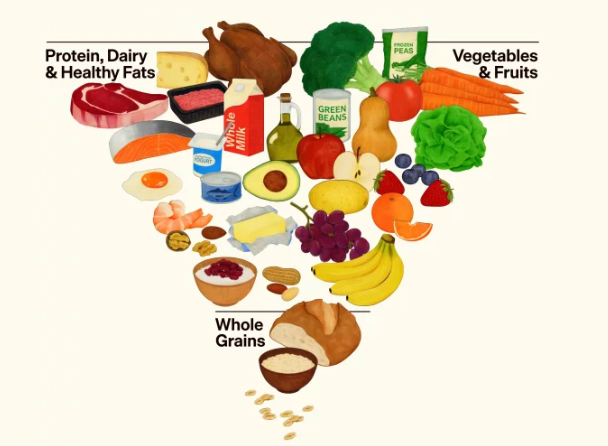
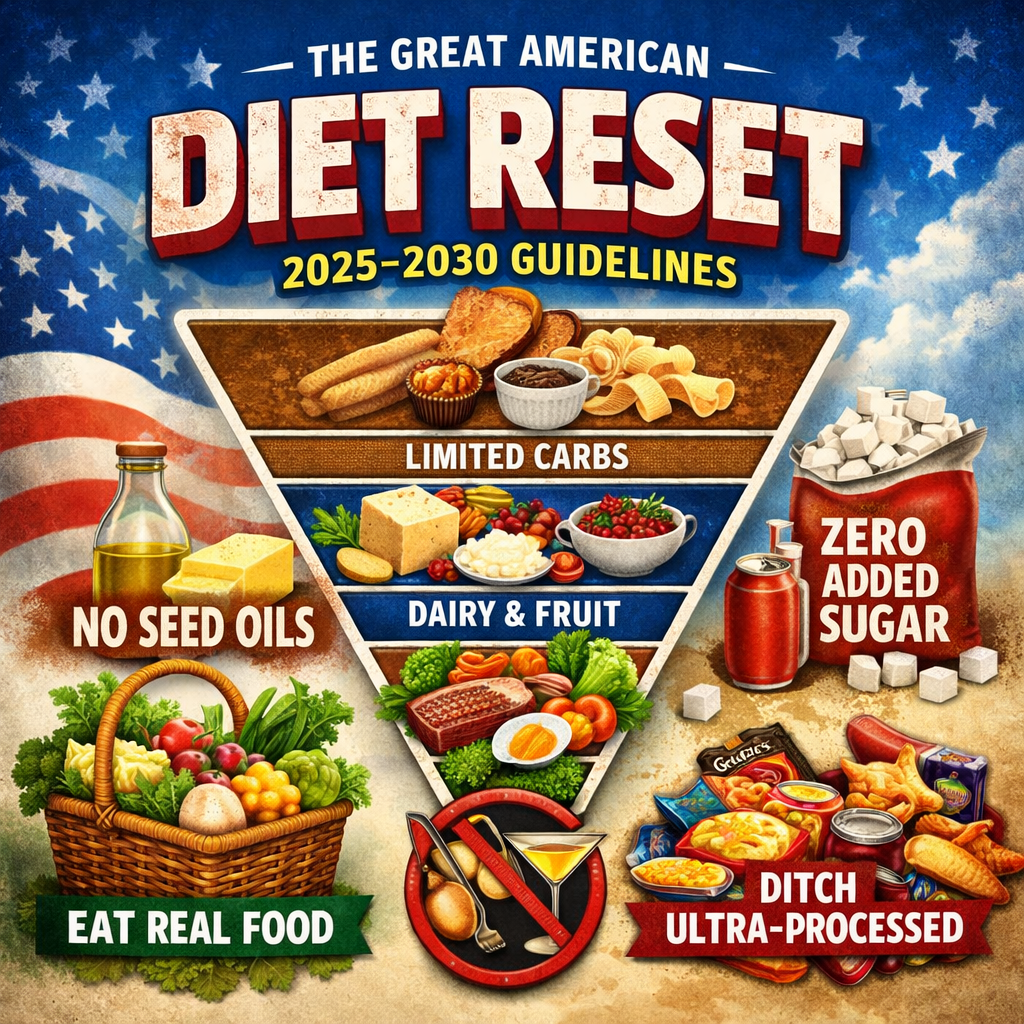
The 2025–2030 guidelines officially retire that model and replace it with a Revised Inverted Food Pyramid.
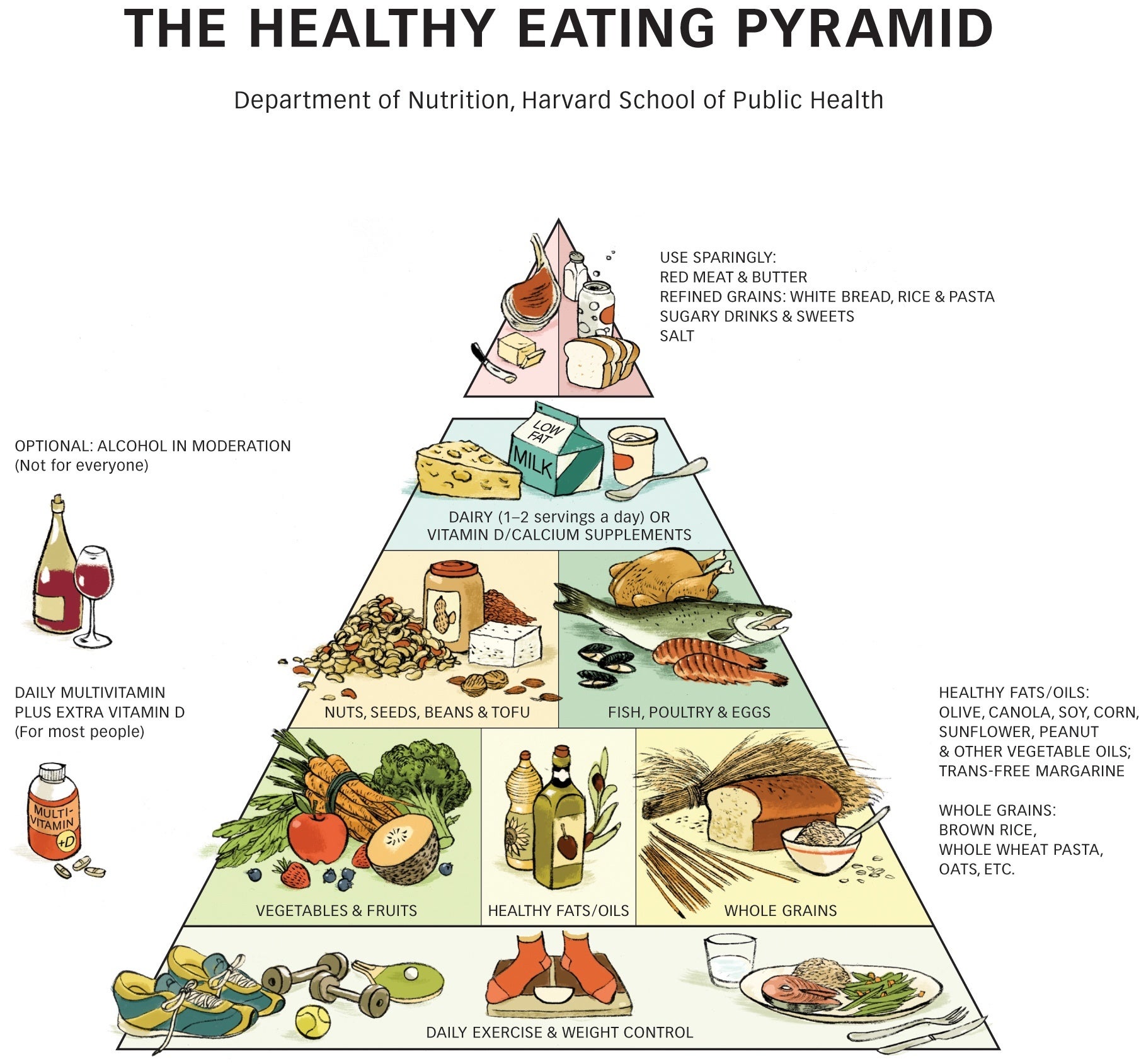

What’s the logic behind the flip?
The new philosophy focuses on muscle maintenance, metabolic health, and blood sugar stability rather than calorie counting.
Here’s how the new pyramid works:
Base (Most Important):
High-quality protein (beef, poultry, eggs, fish) + non-starchy vegetablesMiddle:
Full-fat dairy, fermented foods, seasonal fruitsTop (Least Important):
Whole grains and complex carbohydrates
By flipping the pyramid, the government is signaling that carbohydrates are no longer the foundation of the human diet, but rather an optional energy source.
Zero Tolerance for Added Sugar acording new One of the most shocking updates is the language around sugar.
Previous guidelines allowed up to 10% of daily calories from added sugar. The new stance is far stricter:
There is no safe amount of added sugar.
The guidelines now recommend zero added sugar, and they also criticize artificial sweeteners such as aspartame, sucralose, and even “natural” options like monk fruit extract.
The concern?
Disruption of the gut microbiome, insulin signaling, and long-term metabolic health.
Bottom line:
If a product lists added sugar — in any form — the government now advises leaving it on the shelf.
Protein Takes Center Stage (And Red Meat Makes a Comeback)
Protein is the undisputed star of the new guidelines.
The old recommendation of 0.8 g per kilogram of body weight has been replaced with a much higher target:
1.2 to 1.6 g per kilogram of body weight
For a 170-lb (77-kg) adult, that equals roughly 92–123 grams of protein per day.
The report emphasizes bioavailability, stating that animal-based proteins (meat, eggs, dairy) are more efficiently absorbed than plant-based alternatives.
Ultra-processed plant proteins and lab-grown “fake meats” are now classified as ultra-processed foods, not health foods.
For ranchers and traditional farmers, this is a major win.
For the ultra-processed food industry, it’s a serious blow.
Seed Oils Out, Traditional Fats In
For decades, butter was treated as the villain while vegetable oils were marketed as “heart-healthy.” The new guidelines reverse that advice completely.
The new fat recommendations:
Avoid industrial seed oils
(soybean, canola, cottonseed, corn oil)Use traditional fats instead
Butter, ghee, beef tallow, lard, extra-virgin olive oil, coconut oilChoose full-fat dairy
Skim and low-fat dairy are no longer preferred
The report highlights the importance of fat-soluble vitamins (A, D, E, K) and improved satiety from natural fats.
Ultra-Processed Foods: Public Enemy #1
 Ultra-Processed Foods: Public Enemy #1
If this document has a clear villain, it’s Ultra-Processed Foods (UPFs).


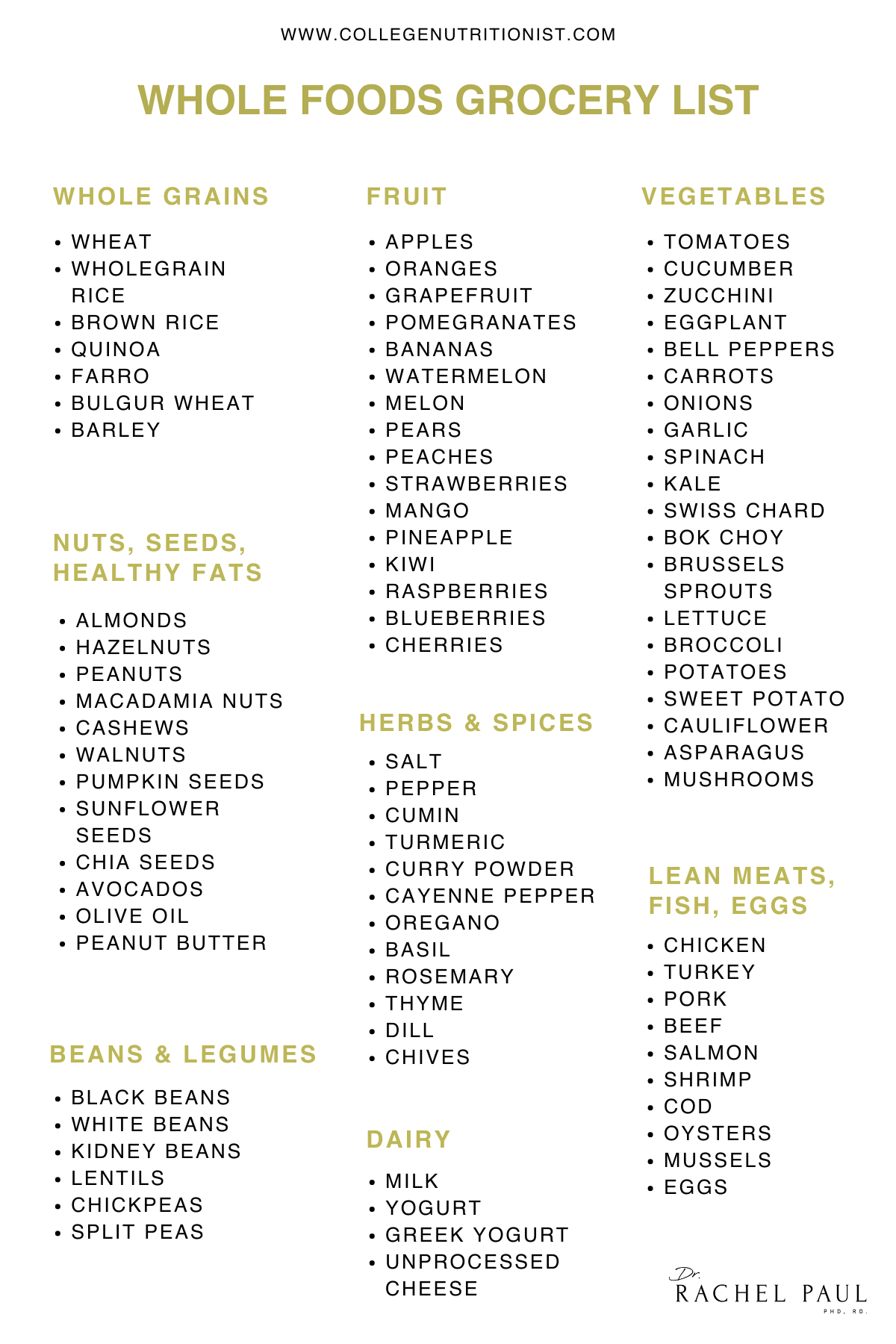
UPFs are defined as foods containing ingredients you wouldn’t find in a home kitchen, such as emulsifiers, preservatives, artificial colors, and stabilizers.
The report estimates that nearly 60% of the American diet currently comes from ultra-processed foods — a trend strongly linked to obesity, Type 2 diabetes, autoimmune disorders, and metabolic disease.
The solution offered is refreshingly human:
“Get back to the kitchen.”
Cooking from scratch, eating locally, and choosing seasonal foods are strongly encouraged.
A Sample Day on the New Guidelines
To make this practical, here’s what a typical day might look like under the new recommendations:
Breakfast:
Eggs cooked in butter + sautéed vegetablesLunch:
Grilled chicken with olive-oil-dressed saladSnack:
Full-fat yogurt with berriesDinner:
Steak or fish with seasonal vegetables
Simple. Satisfying. No calorie math required.
Grocery Shopping Tips (Where Most People Struggle)
 Grocery Shopping Tips (Where Most People Struggle)
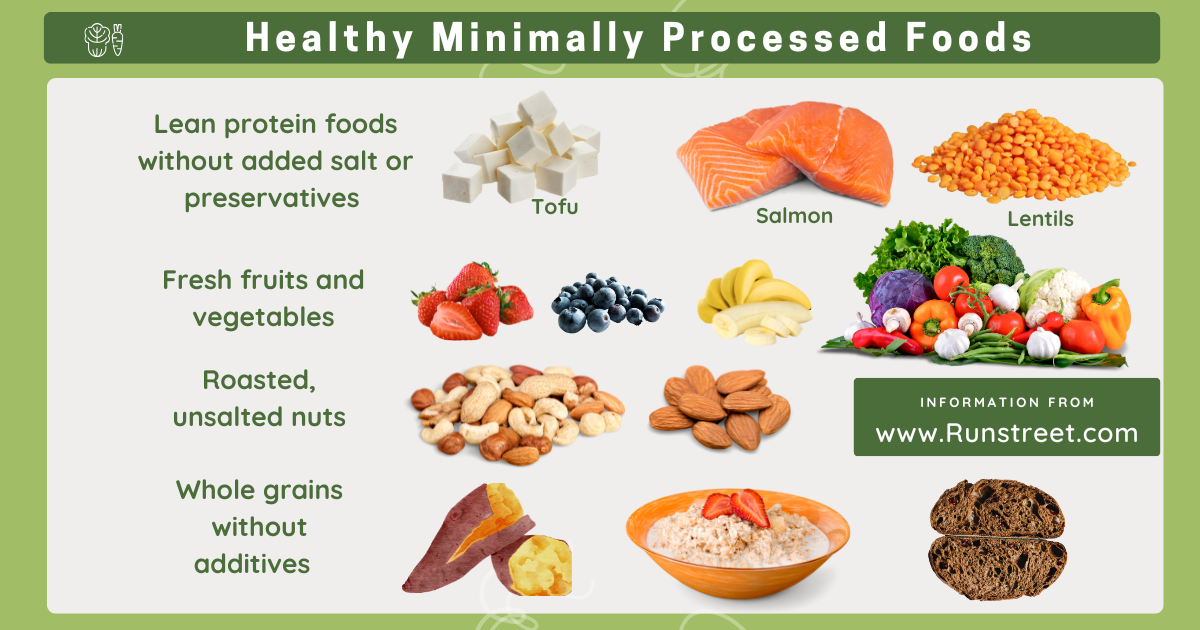
Most people don’t fail because of lack of willpower — they fail because grocery labels are confusing.


Smart shopping rules:
Short ingredient lists are best
Ignore “low-fat” and “heart-healthy” buzzwords
Shop the outer aisles: meat, produce, dairy
If it has a shelf life of three years, it probably doesn’t belong in your body.
Alcohol and Caffeine: The Final Word
 Alcohol and
  Caffeine: The Final Word
The guidelines take a firm stance on alcohol:
Alcohol offers no nutritional benefit and should be avoided.
Even moderate drinking is now discouraged for optimal brain and metabolic health.
Coffee and tea, however, remain acceptable — as long as they’re not loaded with sugary syrups or artificial creamers. Black coffee and plain tea are praised for their antioxidant properties.
Who Should Be Extra Careful?
 Who Should Be Extra Careful?
These guidelines are designed for the general population, but they may not apply equally to everyone.
People who should consult a healthcare professional include:
Pregnant or breastfeeding women
Individuals with kidney disease
Type 1 diabetics
Anyone with a history of eating disorders
Why This Shift Matters
 Why This Shift Matters
Beyond nutrition science, these guidelines reflect a cultural admission: Americans are sicker than ever, and decades of “moderation” messaging haven’t worked.
While critics — including some traditional heart-health organizations — warn about saturated fat, government health advisors argue that the real danger has always been refined carbohydrates combined with industrial oils.
Final Thoughts
 Final Thoughts
The 2025–2030 Dietary Guidelines for Americans, released by the U.S. Department of Health and Human Services and the USDA, are more than a nutrition pamphlet.
They are a clear invitation to simplify life:
Eat foods that come from nature
Avoid foods made in factories
Prioritize protein and real fat
Navigating the grocery store may feel challenging at first — sugar hides everywhere — but the goal is clear: a longer, stronger, and healthier life.
These guidelines are general recommendations and not a substitute for personalized medical advice.
The Great American Diet Reset: Everything You Need to Know About the 2025–2030 Guidelines
On January 7, 2026, the U.S. government officially released the 2025–2030 Dietary Guidelines for America, and these guidelines mark one of the most dramatic shifts in federal nutrition policy in decades.
Under the banner of the “Make America Healthy Again” (MAHA) initiative, the new rules challenge long-standing beliefs about fat, carbohydrates, sugar, and processed food. The era of low-fat labels, grain-heavy meals, and “heart-healthy” industrial oils appears to be coming to an end.
Instead, the message is surprisingly simple: eat real food, prioritize protein, and avoid anything made in a factory.
Let’s break down what this reset actually means for your plate, your grocery cart, and your long-term health.
The New Visual: Goodbye MyPlate, Hello the Inverted Food Pyramid
For years, Americans were taught to follow the MyPlate model — a colorful plate divided into grains, fruits, vegetables, protein, and dairy.
The 2025–2030 guidelines officially retire that model and replace it with a Revised Inverted Food Pyramid.
What’s the logic behind the flip?
The new philosophy focuses on muscle maintenance, metabolic health, and blood sugar stability rather than calorie counting.
Here’s how the new pyramid works:
Base (Most Important):
High-quality protein (beef, poultry, eggs, fish) + non-starchy vegetablesMiddle:
Full-fat dairy, fermented foods, seasonal fruitsTop (Least Important):
Whole grains and complex carbohydrates
By flipping the pyramid, the government is signaling that carbohydrates are no longer the foundation of the human diet, but rather an optional energy source.
Zero Tolerance for Added Sugar
One of the most shocking updates is the language around sugar.
Previous guidelines allowed up to 10% of daily calories from added sugar. The new stance is far stricter:
There is no safe amount of added sugar.
The guidelines now recommend zero added sugar, and they also criticize artificial sweeteners such as aspartame, sucralose, and even “natural” options like monk fruit extract.
The concern?
Disruption of the gut microbiome, insulin signaling, and long-term metabolic health.
Bottom line:
If a product lists added sugar — in any form — the government now advises leaving it on the shelf.
Protein Takes Center Stage (And Red Meat Makes a Comeback)
Protein is the undisputed star of the new guidelines.
The old recommendation of 0.8 g per kilogram of body weight has been replaced with a much higher target:
1.2 to 1.6 g per kilogram of body weight
For a 170-lb (77-kg) adult, that equals roughly 92–123 grams of protein per day.
The report emphasizes bioavailability, stating that animal-based proteins (meat, eggs, dairy) are more efficiently absorbed than plant-based alternatives.
Ultra-processed plant proteins and lab-grown “fake meats” are now classified as ultra-processed foods, not health foods.
For ranchers and traditional farmers, this is a major win.
For the ultra-processed food industry, it’s a serious blow.
Seed Oils Out, Traditional Fats In
For decades, butter was treated as the villain while vegetable oils were marketed as “heart-healthy.” The new guidelines reverse that advice completely.
The new fat recommendations:
Avoid industrial seed oils
(soybean, canola, cottonseed, corn oil)Use traditional fats instead
Butter, ghee, beef tallow, lard, extra-virgin olive oil, coconut oilChoose full-fat dairy
Skim and low-fat dairy are no longer preferred
The report highlights the importance of fat-soluble vitamins (A, D, E, K) and improved satiety from natural fats.
Ultra-Processed Foods: Public Enemy #1
If this document has a clear villain, it’s Ultra-Processed Foods (UPFs).
UPFs are defined as foods containing ingredients you wouldn’t find in a home kitchen, such as emulsifiers, preservatives, artificial colors, and stabilizers.
The report estimates that nearly 60% of the American diet currently comes from ultra-processed foods — a trend strongly linked to obesity, Type 2 diabetes, autoimmune disorders, and metabolic disease.
The solution offered is refreshingly human:
“Get back to the kitchen.”
Cooking from scratch, eating locally, and choosing seasonal foods are strongly encouraged.
A Sample Day on the New Guidelines
To make this practical, here’s what a typical day might look like under the new recommendations:
Breakfast:
Eggs cooked in butter + sautéed vegetablesLunch:
Grilled chicken with olive-oil-dressed saladSnack:
Full-fat yogurt with berriesDinner:
Steak or fish with seasonal vegetables
Simple. Satisfying. No calorie math required.
Grocery Shopping Tips (Where Most People Struggle)
Most people don’t fail because of lack of willpower — they fail because grocery labels are confusing.
Smart shopping rules:
Short ingredient lists are best
Ignore “low-fat” and “heart-healthy” buzzwords
Shop the outer aisles: meat, produce, dairy
If it has a shelf life of three years, it probably doesn’t belong in your body.
Alcohol and Caffeine: The Final Word
The guidelines take a firm stance on alcohol:
Alcohol offers no nutritional benefit and should be avoided.
Even moderate drinking is now discouraged for optimal brain and metabolic health.
Coffee and tea, however, remain acceptable — as long as they’re not loaded with sugary syrups or artificial creamers. Black coffee and plain tea are praised for their antioxidant properties.
Who Should Be Extra Careful?
These guidelines are designed for the general population, but they may not apply equally to everyone.
People who should consult a healthcare professional include:
Pregnant or breastfeeding women
Individuals with kidney disease
Type 1 diabetics
Anyone with a history of eating disorders
Why This Shift Matters
Beyond nutrition science, these guidelines reflect a cultural admission: Americans are sicker than ever, and decades of “moderation” messaging haven’t worked.
While critics — including some traditional heart-health organizations — warn about saturated fat, government health advisors argue that the real danger has always been refined carbohydrates combined with industrial oils.
Final Thoughts
The 2025–2030 Dietary Guidelines for Americans, released by the U.S. Department of Health and Human Services and the USDA, are more than a nutrition pamphlet.
They are a clear invitation to simplify life:
Eat foods that come from nature
Avoid foods made in factories
Prioritize protein and real fat
Navigating the grocery store may feel challenging at first — sugar hides everywhere — but the goal is clear: a longer, stronger, and healthier life.
These guidelines are general recommendations and not a substitute for personalized medical advice.
Pingback: Gen Z’s “Soft Saving” Trend -
Pingback: 40 to Baad Healthy Lifestyle : Diet, Fitness & Mind