

You May Like
Gen Z’s Soft Saving Trend: Financial Freedom or a Compromise with the Future?
In a world where inflation keeps rising, job security feels fragile, and living costs grow faster than salaries, Soft Saving has emerged as a powerful new financial mindset among Gen Z. Unlike traditional saving methods that promote extreme discipline and delayed happiness, Soft Saving focuses on balance, mental peace, and intentional living.
But is Soft Saving a smart path toward financial freedom, or does it risk long-term security? Let’s explore the Soft Saving trend in depth with clarity, realism, and a human touch.
Table of Contents
- What Is Soft Saving?
- Why Is Soft Saving Popular Among Gen Z?
- Core Pillars of Soft Saving
- Risks of Soft Saving
- Soft Saving vs Smart Saving
- Why Soft Saving Isn’t Financial Laziness
- Conclusion
What Is Soft Saving? (In Simple Terms)
Soft Saving does not mean avoiding savings. Instead, it means saving money without sacrificing your present happiness or mental health. Traditional financial advice often encourages aggressive saving, strict budgets, and postponing joy for decades.
Soft Saving challenges that idea. It promotes saving without suffering. Gen Z believes that while the future is important, the present also deserves attention.
- Saving a reasonable portion of income
- Spending intentionally, not emotionally
- Enjoying life experiences today
- Protecting mental well-being
- Investing gradually instead of aggressively
Soft Saving is not anti-saving — it is anti-burnout.
Why Is Soft Saving Popular Among Gen Z?
1. A Generation Shaped by Uncertainty
Gen Z has grown up witnessing global recessions, mass layoffs, rising student debt, and a global pandemic. These experiences have made long-term financial promises feel uncertain, making Soft Saving a more realistic approach.
2. Rejection of Hustle Culture
The culture of nonstop work and glorified exhaustion has left many young people burnt out. Soft Saving offers a healthier alternative where success includes peace of mind, not just income.
3. Rising Cost of Living
When buying a home or achieving traditional milestones feels unreachable, Soft Saving allows people to spend on small joys like travel, comfort, and self-care without constant guilt.
Core Pillars of Soft Saving
1. Prioritizing Experiences Over Possessions
Soft Saving encourages spending on experiences such as travel, learning new skills, and personal growth. The belief is that memories and experiences offer long-term emotional value.
2. Mental Health as a Financial Priority
For Gen Z, expenses related to therapy, fitness, healthy food, and rest are seen as investments, not unnecessary costs. Soft Saving recognizes mental well-being as part of financial health.
3. Flexible and Guilt-Free Spending
Soft Saving avoids rigid budgets that cause stress. Some months you save more, some months you spend more — without self-blame or anxiety.
The Reality Check: Risks of Soft Saving
1. Lack of Emergency Savings
If Soft Saving ignores emergency funds, unexpected medical expenses or job loss can create financial stress. An emergency cushion is essential for true financial freedom.
2. Long-Term Security Still Matters
Enjoying your 20s should not result in financial struggle later in life. Inflation, healthcare costs, and aging make long-term planning unavoidable.
Soft Saving works best when balanced with foresight.
Soft Saving vs Smart Saving: Finding the Balance
The smartest financial approach blends Soft Saving with smart money habits.
1. Automate Your Savings
Saving even 10–15% of your income automatically ensures consistency without stress.
2. Build an Emergency Fund
Having 3–6 months of basic expenses saved provides security and peace of mind.
3. Invest Consistently
Soft Saving does not avoid investing. It promotes calm, long-term investing rather than risky or aggressive strategies.
4. Spend With Intention
Intentional spending ensures that money adds value to your life rather than creating regret.
Why Soft Saving Isn’t Financial Laziness
Soft Saving is often misunderstood as careless spending. In reality, it rejects money without meaning. Gen Z values balance, purpose, and emotional well-being along with financial stability.
- A meaningful life, not just net worth
- Stability, not obsession
- Growth without exhaustion
Conclusion: Soft Saving as a Balanced Financial Mindset
Soft Saving is not about escaping responsibility. It is about redefining success. A wise individual enjoys the present while preparing for the future.
The healthiest financial mindset lies between extreme discipline and reckless freedom. Soft Saving offers Gen Z a realistic, humane, and sustainable way to manage money.
Wealth is not measured only in numbers — it is measured in peace, purpose, and presence.
Inside Gen Z’s ‘Soft Saving‘ Movement: Are They Trading Future Security for Present Comfort?
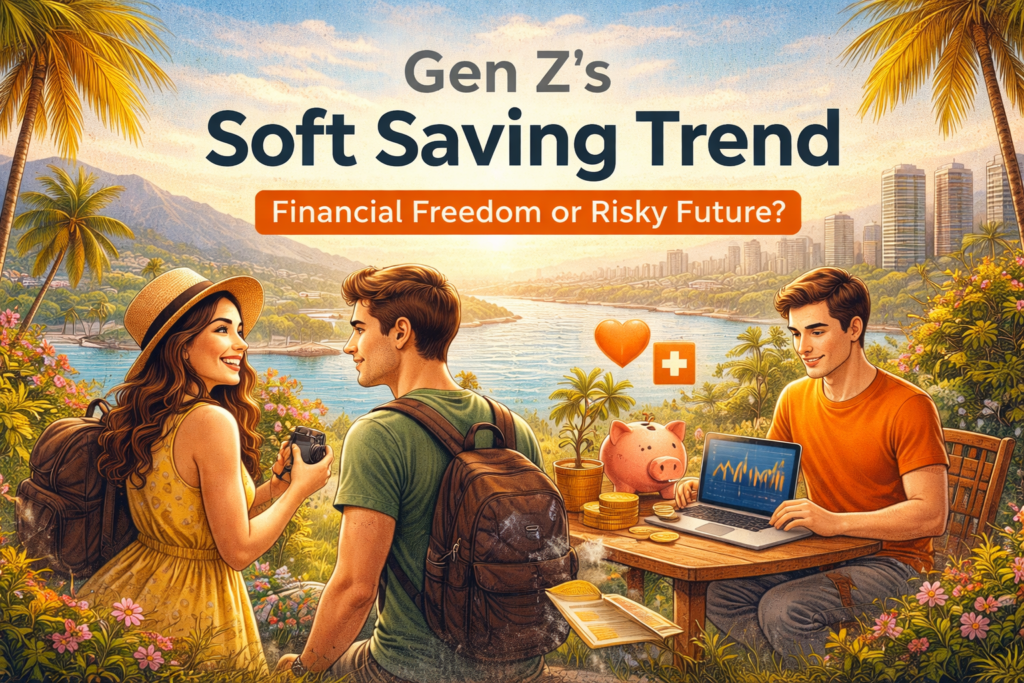
Together, these visuals reinforce a powerful message—financial success is no longer defined by extreme saving or relentless hustle. In the Soft Saving era, Gen Z is redefining wealth as a blend of emotional health, intentional spending, and sustainable saving. Rather than choosing between enjoying life and securing the future, this generation is proving that both can coexist. Ultimately, these images remind us that money is not just about accumulation, but about building a stable, meaningful, and fulfilling life—one that feels secure today and prepared for tomorrow.
VERY GOOD WORK SIR
Thank you
Pingback: What Is Prompt Engineering? -